
U.S.-Japan collaboration turns out “Super Engineers”
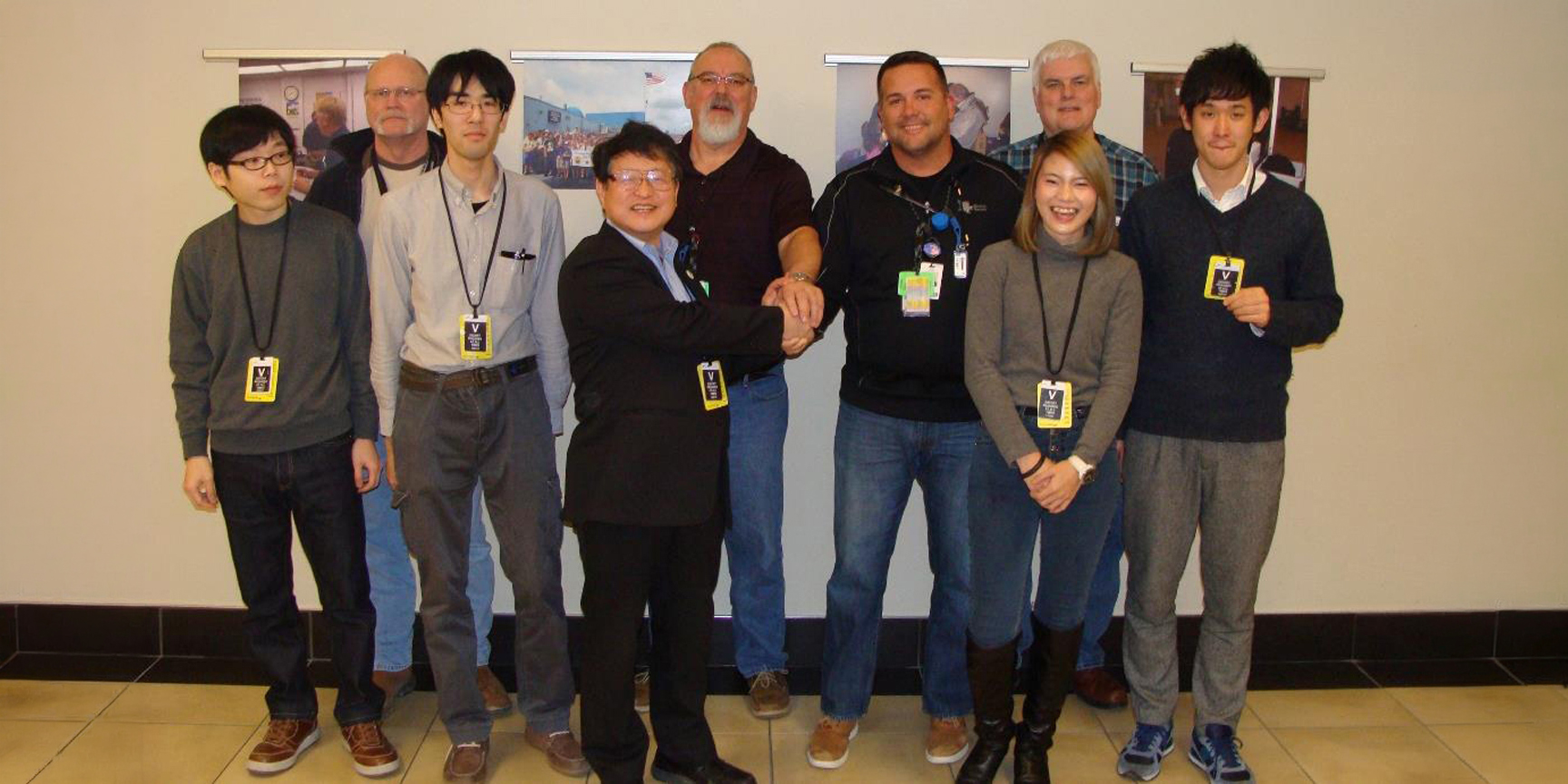_Page_06_Image_0001 copy 2x1.jpg)
Before the Fukushima Daiichi accident in March 2011, nuclear power from 54 reactors provided about 30 percent of Japan’s electricity. In the wake of the disaster, Japan shut down every one of its reactors.
Recently, the country has been restarting its nuclear power plants. Among its current fleet of 33 operable reactors, fewer than half have been restarted. Nuclear power is currently providing about 8.5 percent of Japan’s electricity (with natural gas and coal accounting for more than 60 percent).
The Japanese government’s present energy plan, announced last year, calls for nuclear power to meet 20 percent of the country’s electricity needs by 2040. While the government views nuclear as a crucial asset toward meeting its goal of net zero emissions by 2050, public support for nuclear energy also continues to increase. A 2012 Pew Research poll—conducted one year after the Fukushima Daiichi disaster—indicated that 70 percent of the public opposed nuclear power. However, a 2022 poll by Nikkei Business Publications suggests that now, more than 50 percent of the public supports nuclear power—if safety can be ensured.
Contributing their expertise to these restarts in recent years are young nuclear industry professionals who were trained a decade ago in a mentorship/training program involving U.S. institutions.
This “Super Engineer Project” was sponsored by Japan’s Ministry of Economy, Trade, and Industry and Hokkaido University from 2015 to 2017. METI sponsored the project to improve the Japanese nuclear safety culture by learning from the U.S. safety culture.